

Japan, which is prone to frequent earthquakes, is recognized as the world's number one earthquake-resistant country. As we all know, although Japan is located in an earthquake zone, even if an earthquake strikes, it is rare for large areas of houses to collapse. This is inseparable from Japan's building technology and material selection.

At present, Japanese buildings are basically divided into three categories in terms of earthquake resistance. The first is earthquake-resistant structure, the second is earthquake-control structure, and the third is earthquake-free structure. The so-called earthquake-resistant structure, its main principle is to improve the strength and toughness of columns and walls, so that the building can withstand vibration as a whole. At present, most of Japan adopts this structure. Earthquake-free structure and earthquake-control structure are emerging technologies.

Earthquake resistance is the most common level and is mainly used in low-rise buildings. Earthquake control is to make the building cause damage in one place during an earthquake, but not in other places. One way to do this is to place various spheres in the building to absorb the earthquake energy and ensure that there will be no problems in other parts of the building.

In terms of materials, brick structures are almost no longer used in Japan, and are replaced by reinforced concrete structures supplemented with light wall materials. This type of structure is both safe and earthquake-resistant, and saves energy.

In addition, the common characteristics of new materials commonly used in Japanese house construction are light weight and high strength, such as resin, aerated concrete, and carbon fiber. Even if they collapse and fall, they will not cause serious harm to the human body, and they are easy to install. Building a house is as easy as building blocks.

From the perspective of building materials, earthquake-resistant building materials must have the characteristics of light weight, high strength, and high toughness, such as wood, light steel, steel, reinforced concrete, and composite materials. There are mainly 12 types of memory alloy SMA bars and steel bars, as follows:
1.The best earthquake-resistant performance is the light steel structure house, followed by the wooden structure house, and then the reinforced concrete structure house. Brick structure houses are not earthquake-resistant. Buildings using reinforced concrete structures supplemented with light wall materials are both safe and earthquake-resistant and save energy. In addition, after the structural plates and stone slabs are sealed, the light steel components form a very strong "plate rib structure system". This structural system has a stronger ability to resist earthquakes and horizontal loads, and is suitable for areas with an earthquake intensity of 8 degrees or above.
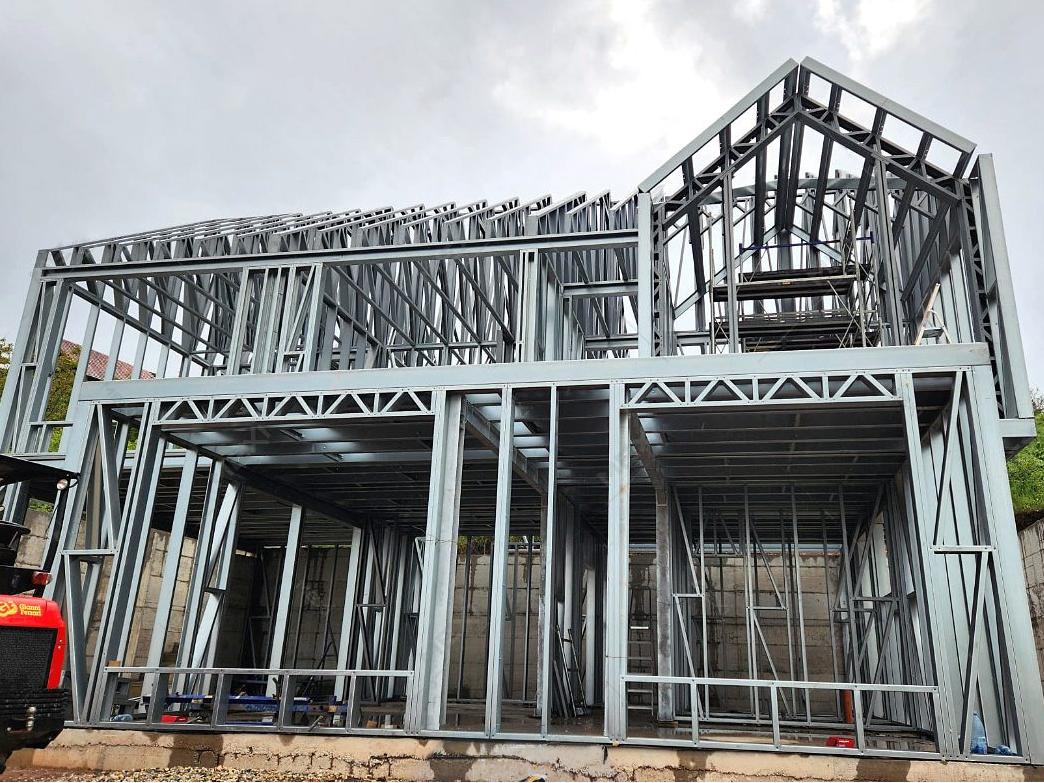
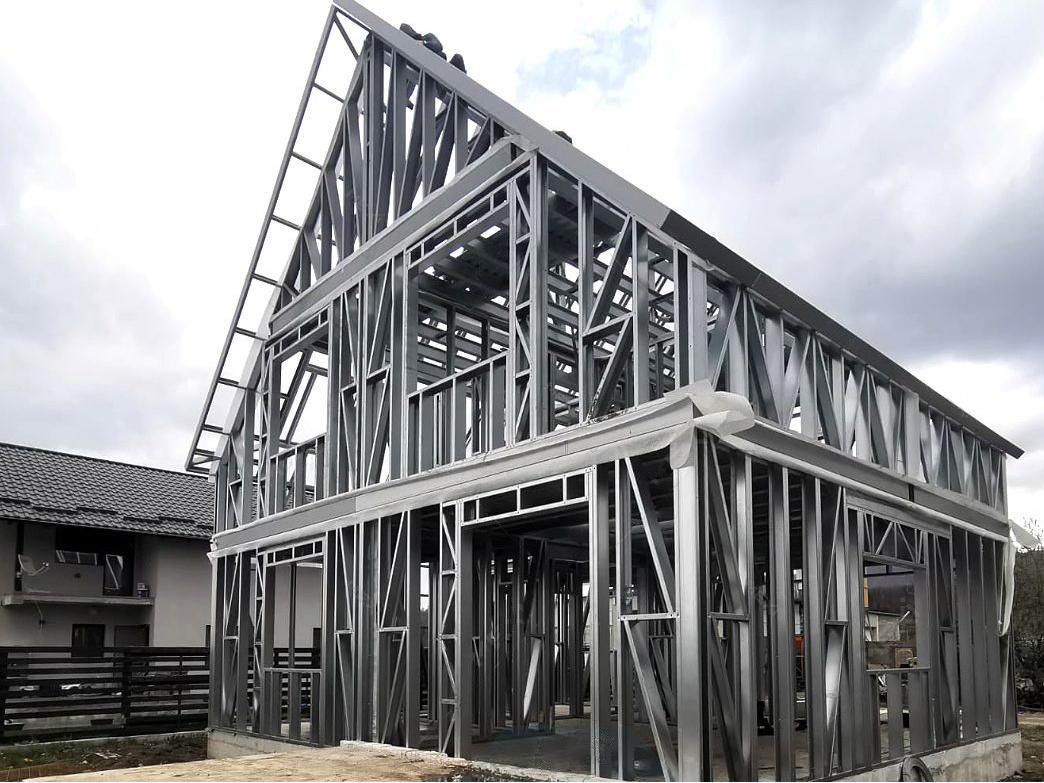
2.Nickel/titanium shape memory alloy rods - This material has been used in a bridge construction in Seattle, which was built by the University of Nevada, Washington State Department of Transportation and Federal Highway Administration. Using the pseudo-elastic properties and dynamic damping characteristics of shape memory alloys, shape memory alloys can be used in passive control structures to play a role in earthquake resistance. In addition, it is also used for active damping control of structural vibrations.

3.The new type of super-tough fiber concrete, referred to as "ECC", is a new type of engineering cement-based composite material with strain hardening characteristics and multi-crack cracking characteristics, which is optimized and designed based on microscopic physical and mechanical principles. This composite material was first proposed by Professor Victor Li and his team at the University of Michigan in the 1990s, attracting great attention from the world's building materials industry.
In seismic laboratory tests, bridge columns built using memory alloy nickel/titanium rods and bendable concrete composites returned to their original shape after an earthquake as strong as a magnitude 7.5.


4.Aerated concrete is a lightweight porous silicate product made of siliceous materials (sand, fly ash and silicon-containing tailings, etc.) and calcareous materials (lime, cement) as the main raw materials, mixed with gas-generating agents (aluminum powder), and made through processes such as batching, mixing, injection, pre-curing, cutting, autoclaving, and curing. Because it contains a large number of uniform and fine pores after aeration, it is called aerated concrete (AAC).
Aerated concrete is an excellent new building material with the following advantages: light weight; ② good thermal insulation performance; ③ high strength; ④ good morning resistance; ⑤ good processing performance; ⑥ certain high temperature resistance; ⑦ good sound insulation performance; @ conducive to mechanized construction; strong adaptability.

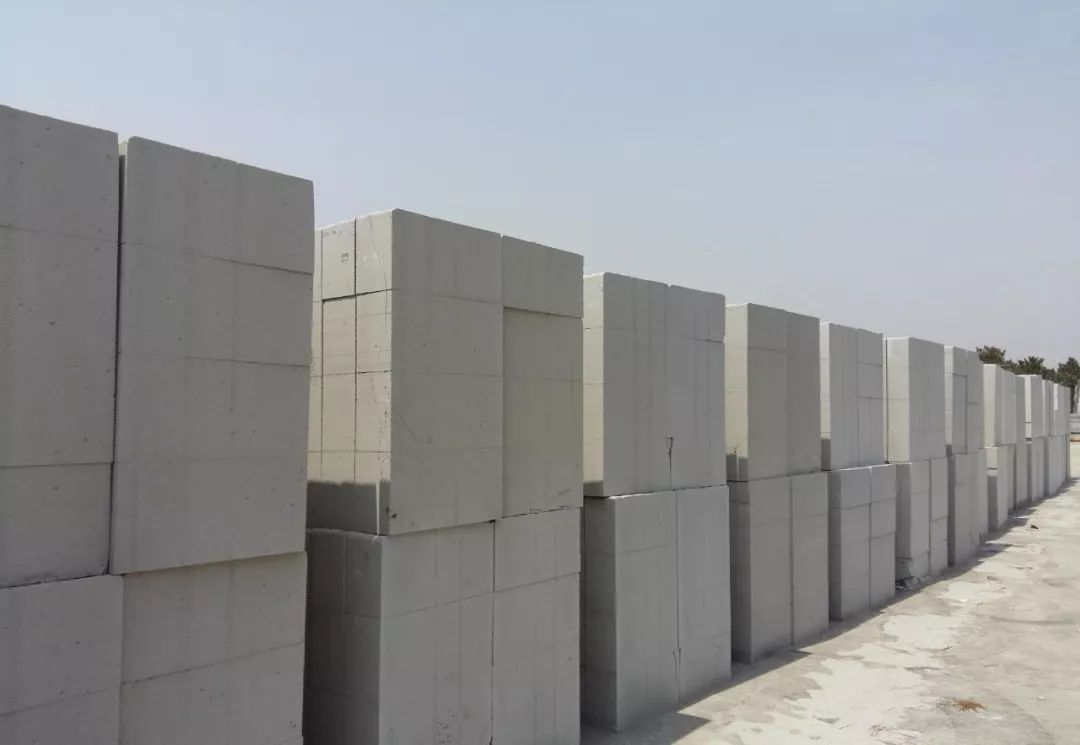
5.Reactive powder concrete is a new type of building material with excellent mechanical properties and durability after high-strength and high-performance concrete. It has ultra-high mechanical properties, excellent durability, low shrinkage and creep performance, and anti-seismic performance.

6.Steel fiber concrete is a new type of multi-phase composite material formed by adding randomly distributed short steel fibers to ordinary concrete. These randomly distributed steel fibers can effectively hinder the expansion of micro cracks and the formation of macro cracks inside the concrete, significantly improve the tensile, bending, impact and fatigue resistance of concrete, and have good ductility.
